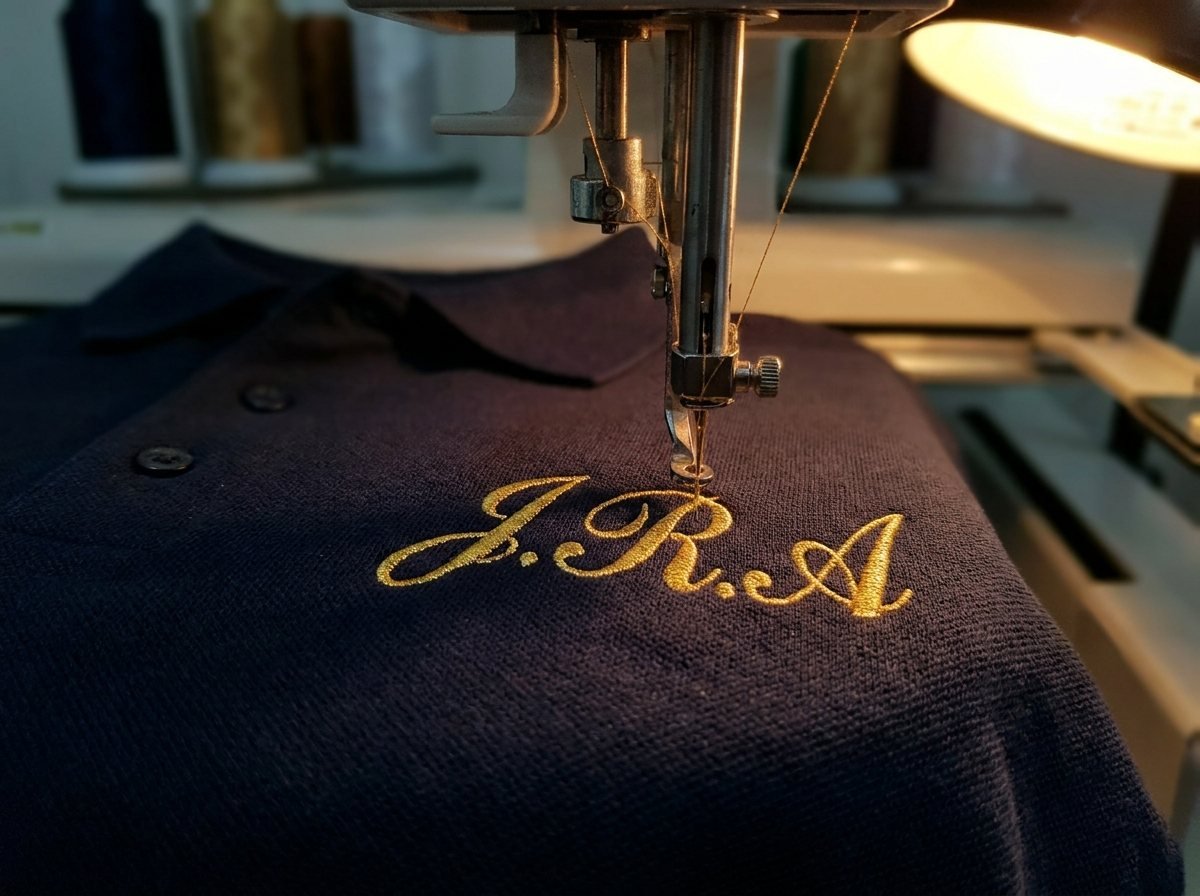
Most people assume bulk pricing is just "the same math, more units." It isn't. Once you cross into a few hundred pieces, the cost structure of an order shifts, and the questions worth asking change along with it.
Where the real savings actually come from
At small quantities, setup costs (screens, digitizing) dominate the per-unit price. At bulk quantities, that stops mattering — a $25 screen fee spread across 1,000 shirts is two and a half cents each. What takes over instead is the blank garment cost, which is why two shops quoting the "same" bulk job can land $2-3 apart per shirt even with identical decoration methods. That gap is almost always the wholesale blank vendor, not the printing.
Ask for two numbers, not one
At volume, it's worth asking a shop to break out blank garment cost separately from decoration cost. Bundled quotes make it hard to tell whether you're overpaying for the shirt itself or the print — and it also lets you compare a shop's blank pricing against buying wholesale blanks yourself and having a separate shop decorate them.
The diminishing-returns point
People often assume going from 1,000 to 5,000 units cuts the price dramatically again. In practice, most of the savings already happened between 250 and 1,000 units. Past that, you're mostly paying blank-garment cost at whatever wholesale rate the shop already gets, and that rate doesn't keep dropping the same way setup-fee amortization did earlier in the curve.
Capacity matters as much as price
Not every Indianapolis shop that quotes a competitive bulk price can actually produce it on your timeline. A shop optimized for quick small-batch turnaround may not have the press time or embroidery heads free for a 2,000-unit job without weeks of lead time. Ask directly what their realistic production capacity per week looks like before committing to a delivery date.